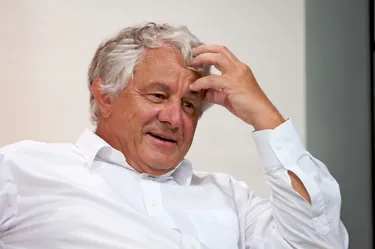
AI for Conservation and Education
Hasso Plattner Institute
As we mark our 10th anniversary in December 2025, we continue to highlight the people and projects that shape the Foundation’s ecosystem and the ambition that drives them.
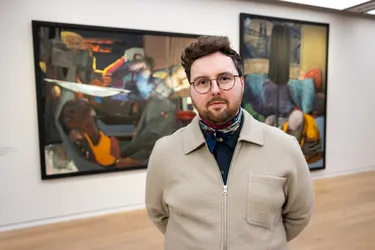
Today, we get to know Maximilian Schall, a PhD student in AI and Information Systems at the Hasso Plattner Institute (HPI). He is helping to bring machine learning into the midst of conservation work.
-

Credit: Reinhardt & Sommer
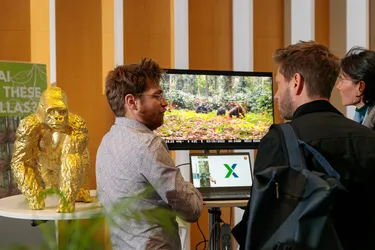
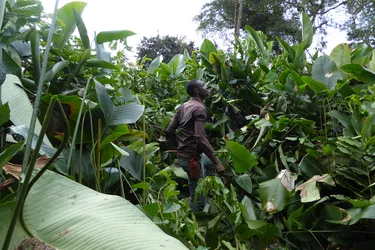
Max’s research focuses on adapting large language models and analyzing their real-world capabilities. His interest in applied AI led him, virtually, to the forests of the Congo Basin, where endangered gorillas face complex threats. Through the GorillaWatch project, Max works closely with conservationist Dr. Magdalena Bermejo and her team at Sabine Plattner African Charities (SPAC) Conservation and Research Project. Together, HPI and SPAC – two initiatives supported by the Hasso Plattner Foundation –, are testing how computer vision can support local teams in identifying and monitoring gorilla populations in the wild.
“The project emerged from a course for HPI students,” Max explains. “It’s rewarding for students—they get to apply their technical skills to something urgent and real, and at the same time, the field teams get new tools to help them protect the wildlife they’ve dedicated their lives to.”
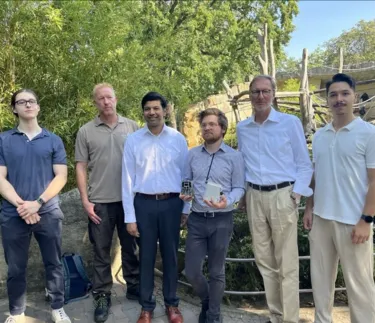
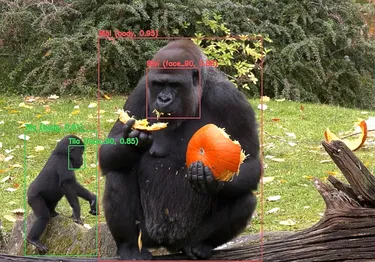
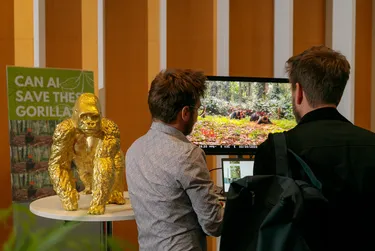
This dual purpose—education and conservation—is central to the work. Using camera trap footage, the HPI students developed a system to identify individual gorillas, helping researchers monitor changes in behavior or health over time. A pilot version was tested at the Berlin Zoo in autumn of 2024.
-

Credit: HPI
-

Credit: HPI
Max is fully aware about the challenges ahead: “Machine learning only works when it's built in close collaboration with the people who know the environment. The tech side alone isn’t enough.” His goal is to create something not only innovative, but truly useful—both for the field teams and for the students learning to build AI systems responsibly.
He admits that setbacks are part of the process. “Augen zu und durch,” he says—“close your eyes and push through.” But often, it’s the students who help move things forward. “They come in with fresh ideas, especially when the rest of us are stuck. That’s one of the best parts of the work.”
Looking ahead, Max hopes the Foundation continues to back projects where technology meets real-world application. “Gorillas are important,” he says, “It would be good to support other endangered species too, many of whom don’t have the same visibility.”
His wish for the next decade? Stronger links between innovation and the communities on the ground. “We need long-term impact that benefits both the wildlife and the people who share their habitat. That’s where technology can really make a difference.”
As the Foundation embarks on its next decade of philanthropic giving, Max touches upon a shared goal with the projects in the Foundation’s ecosystem: to build solutions that last.
Then to Now: Stories that Shaped Us
For our anniversary, we are sharing stories from across our ecosystem – snapshots of the people and ideas that drive them. New stories will appear on our anniversary page between July and December 2025. We invite you to follow along - and perhaps, find inspiration of your own.