How Namibia’s Educators Are Bringing Conservation into the Classroom
Sabine Plattner African Charities: EduConservation
As we mark our 10th anniversary in December 2025, we continue to highlight the people and projects that shape the Foundation’s ecosystem and the ambition that drives them.
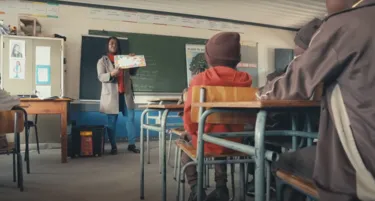
Today, we’re taking a closer look at one of our initiatives in Namibia, where the SPAC EduConservation program is working directly with teachers to bring conservation into everyday classroom learning. With the help of practical tools, such as the EduConservation Teacher’s Toolkit, teachers are finding new ways to connect students with the environment around them, showing them that what they learn early in school can turned into concrete action.
-

Credit: SPAC EduConservation
Conservation through Education
Every day, teachers across Namibia guide young learners through their curricula, be it in math, arts, or sciences. But increasingly, their role includes a broader perspective: helping students understand the value of nature, and how their actions shape the environment around them.
That’s where SPAC EduConservation comes in. Initiated by Sabine Plattner, SPAC is dedicated to the preservation of rainforests, wilderness, and protected areas in Africa. Through education and research, SPAC helps local communities coexist with nature. EduConservation is of one SPAC's programs operating in six African countries, including in Namibia. It raises awareness about conservation by integrating environmental issues into the formal curricula. As part of the program, toolkits that reflect local conditions are developed for teachers who are then trained on how to use these resources and reach thousands of children. The program helps develop an early awareness of living in harmony with nature in young people.
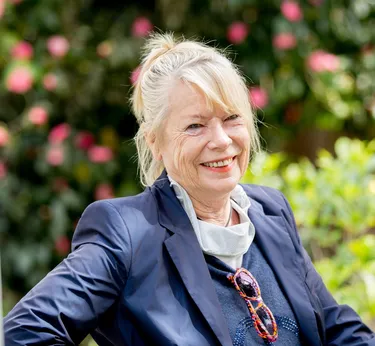
"Through education and community involvement, our projects are not just preserving nature. They are supporting the next generation to act, from the classroom to the rainforest,” says Sabine Plattner.
-

Sabine Plattner
Teaching with Purpose
Through its Teacher’s Toolkit and workshops, the program equips educators with hands-on tools and new ways of thinking. “Before education can aid conservation, conservation must aid education,” says Julie Cleverdon, Programme Director of SPAC EduConservation.
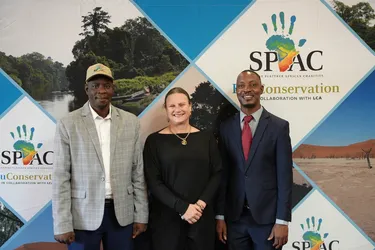
Since 2022, the toolkit has been piloted in 30 schools in Namibia and proved to be a success. It encourages teachers to step into their students’ shoes and design learning experiences that are active, relevant, and locally grounded. What would excite a 10-year-old? What would make biodiversity feel real, not abstract? This kind of questions can bring about change.
-

Credit: SPAC EduConservation
A Growing Network
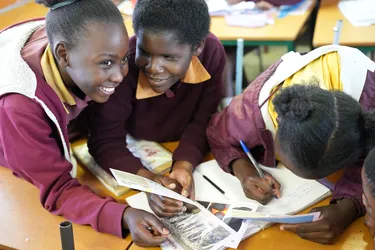
So far, more than 350 teachers have participated in the program, reaching close to 30,000 learners. Many students say they now see how the topics they learn in class relate to the world outside — and how they can take action themselves.
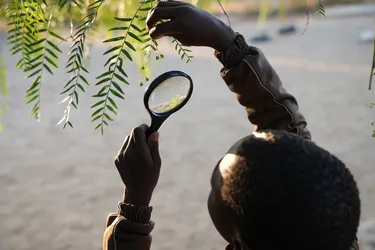
Some schools are already organizing monthly clean-up campaigns with parents and community members. Others are starting school gardens or small conservation clubs. Teachers are becoming multipliers, passing on their knowledge and sparking broader change.
“They show more interest in the lessons. They participate more and explore more. The toolkit encourages children to think critically. They are more aware of caring for the environment and the dangers of neglecting it. They take ownership and are more curious,” shared a teacher in Namibia after observing learners engaging with the SPAC EduConservation lessons.
-

Credit: SPAC EduConservation
Building a Community of Educators
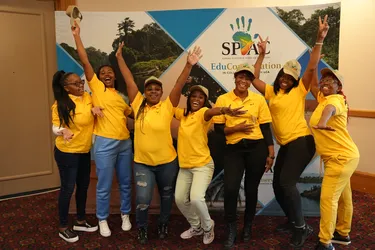
The program also creates space for peer learning. Teachers learn from each other — sharing what worked, what didn’t, and how they adapted the resources to different local contexts. The motto that’s emerged from this network is simple but powerful: “Let’s learn, love, and protect our environment.”
-

Credit: SPAC EduConservation
Looking Ahead
Since Sabine Plattner initiated SPAC, the Foundation has supported its various programs, including EduConservation. In 2025, the program launched two new toolkits for the Senior Primary (grades 4-7) in Namibia, marking another important milestone. The Foundation will continue to champion the toolkit’s growth and explore further pilots in other countries. “Teachers are the people who most influence our youth,” Julie reflects. “If you think back to your own childhood, there’s probably that one teacher who made a difference. If we can inspire more teachers to embrace the teaching of environmental science and conservation — sorely needed now — then we can help shape a better future.”
Then to Now: Stories that Shaped Us
For our anniversary, we are sharing stories from across our ecosystem – snapshots of the people and ideas that drive them. New stories will appear on our anniversary page between July and December 2025. We invite you to follow along – and perhaps, find inspiration of your own.